
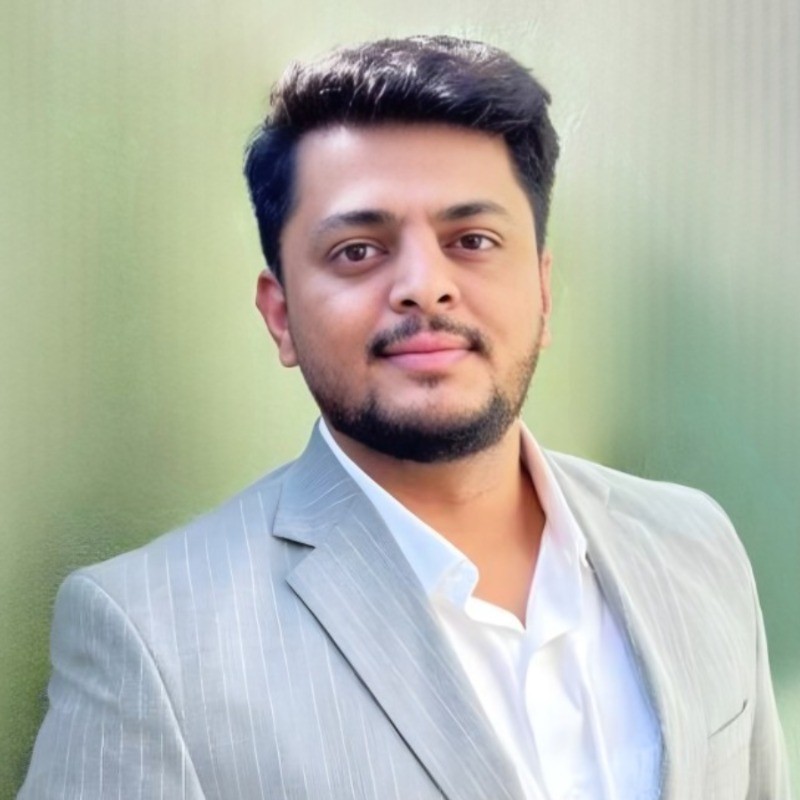
Reflections from CMS Summit 26 in Frankfurt
Some conferences leave you with a folder of slides and a stack of business cards. Others leave you feeling less alone in the work you do.
CMS Summit 26 was the second kind.
For two days in May, around a hundred practitioners, vendors, agencies, and enterprise leaders met in a museum in Frankfurt to talk about the work we do. Hosted by Janus Boye and his team at Boye & Company. Held inside the Museum für Kommunikation, which felt deliberately chosen.
This is a record of what I found there.
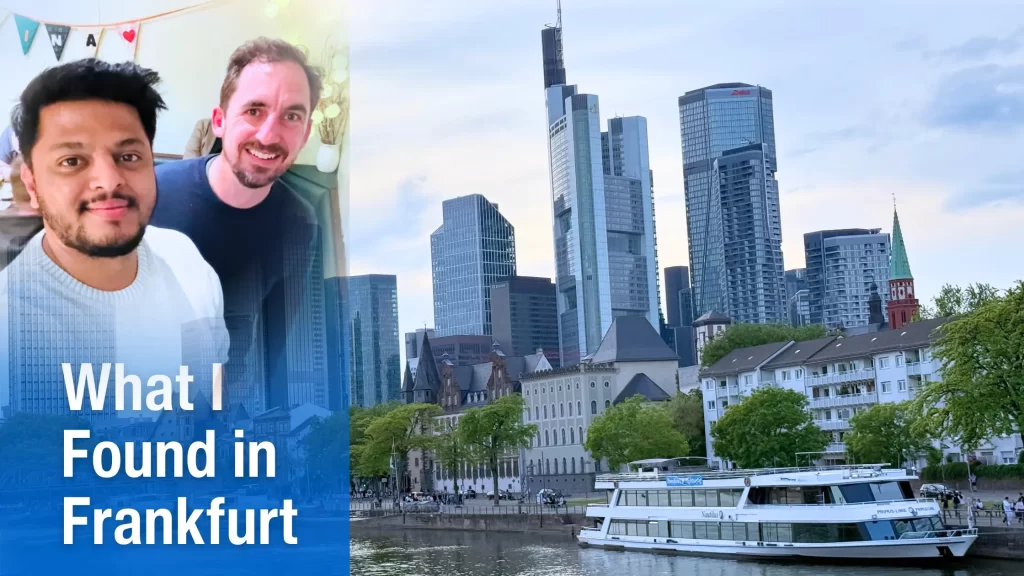
How It Started
The first conversation with Janus happened on LinkedIn in early April, about a month before the conference. I had been reading his work and the Boye & Company event listings for a while. CMS Summit. CMS Connect. CMS Kickoff. Different cities, same instinct, gather practitioners and let them talk to each other without vendor theatre.
I sent a careful first message. Janus replied the same day. Over the weeks that followed, we exchanged a few notes and emails. Nothing pressured, nothing transactional. Just the building of a professional relationship at a measured pace.
Somewhere along the way, I decided to attend because the room he was putting together was the one I wanted to be in.
The Journey There
The Schengen visa came first, and it was the part of the trip I had the least control over. Visas to Germany from India can move quickly or slowly depending on appointment availability, document review, and a degree of waiting you cannot accelerate. With about a month between application and travel date, the timeline was tighter than I would have liked.
While the application was being processed, the situation in the Middle East began to escalate. Flights through the region were being rerouted, cancelled, or rebooked at short notice. The quiet question forming in the background was not just whether the visa would come through in time, but whether the broader travel infrastructure would hold up around it. Light tension, but enough to keep me checking news and airline communications daily.
Everything else had to wait on the visa. The initial hotel went in early to support the application, but the broader question stayed open. One place for the whole trip, or split between two for a change of scene, against the extra cost and limited availability. That was settled only a few days before departure.
I built buffer days into the trip on both sides. Two days before the event, in case of any travel disruption, two days after for follow-up conversations and rest.
The visa came through. The flights held up. I made it.
Before The Conference
I arrived in Frankfurt on a Saturday morning. The weather cooperated. I walked the city without an agenda over the weekend.
What I had not expected was that the conference would effectively start on Monday.
When I messaged Janus to say I had arrived, he invited me to lunch with a small group of early arrivals. After lunch, Olivier Dobberkau hosted me at the dkd office, the Frankfurt-based digital agency that was the conference partner. Monday evening was a jetlag dinner Janus had organised for those of us who arrived early.
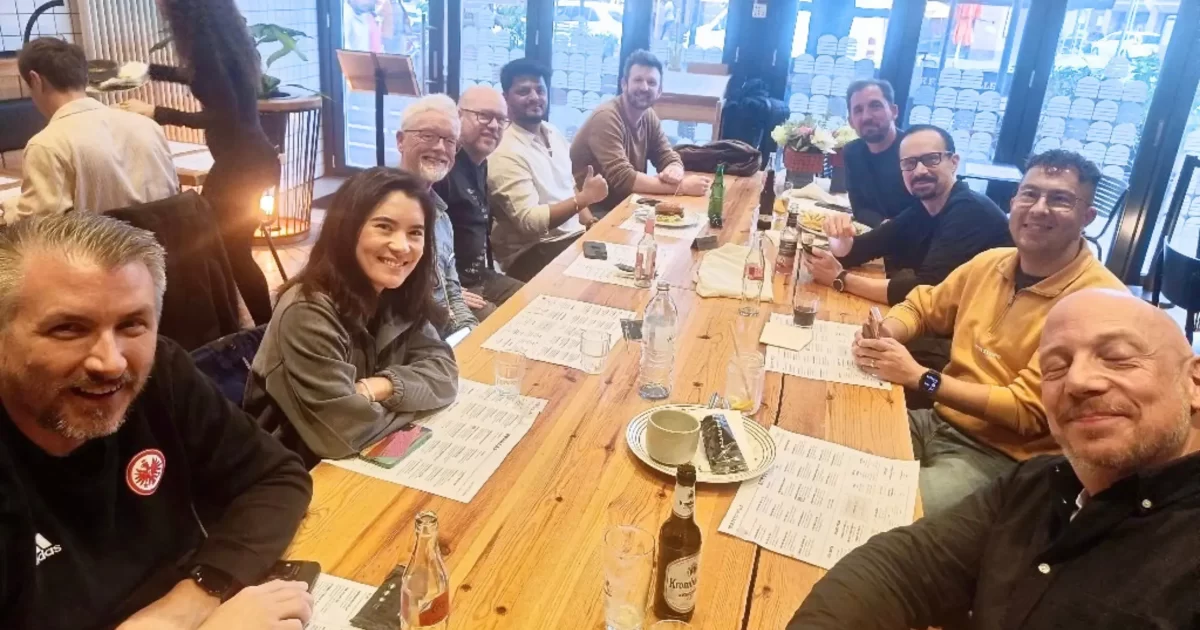
The room was small. Practitioners from the Netherlands, the United States, Germany, the UK, and the Czech Republic in relaxed conversations about the work they actually do. No agenda, no presentation, just real exchange.
I returned to the hotel that night, realising the formal conference had not even begun yet, and the conversations were already valuable.
Two Days Inside The Room
The conference was held at the Museum für Kommunikation. A museum dedicated to how humans and machines communicate, hosting a conference about how humans and machines communicate through digital content. The choice of venue felt deliberate.
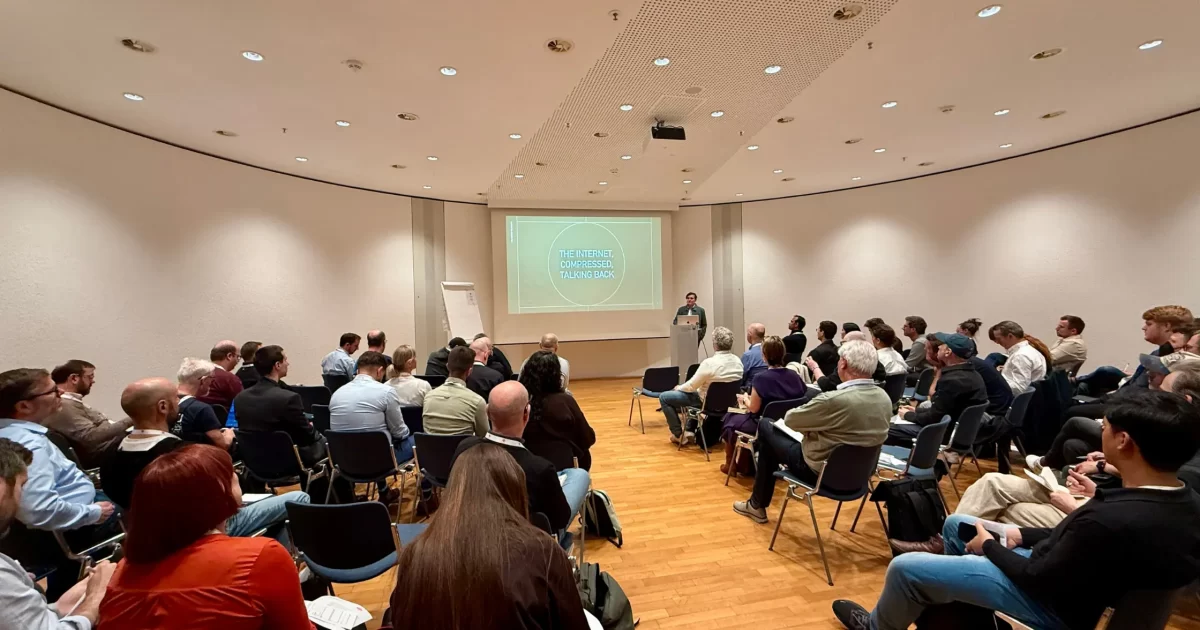
The format was tight. Around 100 attendees. No expo hall, no parallel tracks, no booths chasing badge scans. One room, one schedule, and a programme chosen for substance rather than name.
I will not try to recap every session. What stayed with me was running across many of them, and the pattern was the most interesting part.
By the end of the first day, an unspoken consensus had taken shape. The CMS platform, whichever one you choose, is not where enterprises are stuck.
They are stuck above the platform, in the operational layer where content meets governance, accessibility, machine readability, multilingual quality, and daily editorial discipline.
Different speakers said it in different ways.
Matt Garrepy from CMS Critic opened the event by reframing the whole conversation. The CMS is now a Confidence Management System, he argued. Buyers no longer ask which platform is fastest. They ask which one they can trust with their content, their users, and the agentic systems being layered on top. Kate Kenyon, who leads knowledge and content operations at Chase Bank UK, said the line that became the most quoted of the conference, that metadata is AI’s love language, and made the case that enterprise AI failures are rarely tooling failures. They are content architecture failures.
Liz Nelson at Sitecore described large language models as the internet, compressed, talking back to you, and introduced what she calls harness marketing, the editorial layer of governance, friction logs, and adversarial testing that wraps around AI inside a CMS. Stine Ferse, who runs the global content platform at DHL across 240 country sites and 40 languages, told us her real challenge was not integrating systems. It was integrating ownership. End-to-end ownership of a global content experience does not exist by default in most enterprises. Building it is the actual work.
Markus Schork from Codal traced most authoring pain back to one decision, the content model, and showed four ways the same site could be managed, with very different operational consequences. Tom Cranstoun introduced the Machine Experience framework, broader than the GEO and AEO conversations dominating boardrooms, and made the case that machines reading your content are an audience your brand is now responsible for.
His own recap of the event is the deeper read on MX.
Matt McQueeny from iMedia closed the substantive arc with the reframe that has moved this conversation from marketing teams to boardrooms in five months. GEO is a loss conversation, not a gain conversation. When there is a loss, the board pays attention.
There were other voices in the room, on accessibility and inclusive design, on digital sovereignty and the open source economics that underwrite it, on the discovery layer of AI search and the practical tools agencies are using right now. Each added a different angle to the same observation.
I had spent two years trying to explain this gap to clients. In Frankfurt, sixteen senior practitioners described it back to me using sixteen different vocabularies.
After The Rooms Emptied
When the closing session ended, I walked through the rest of the Museum für Kommunikation in the quiet hours. Old switchboards. Rotary phones. The first mobile phones had cases the size of bricks. Computer terminals that filled rooms. The full arc of how humans and machines learned to talk to each other, laid out as a physical history.
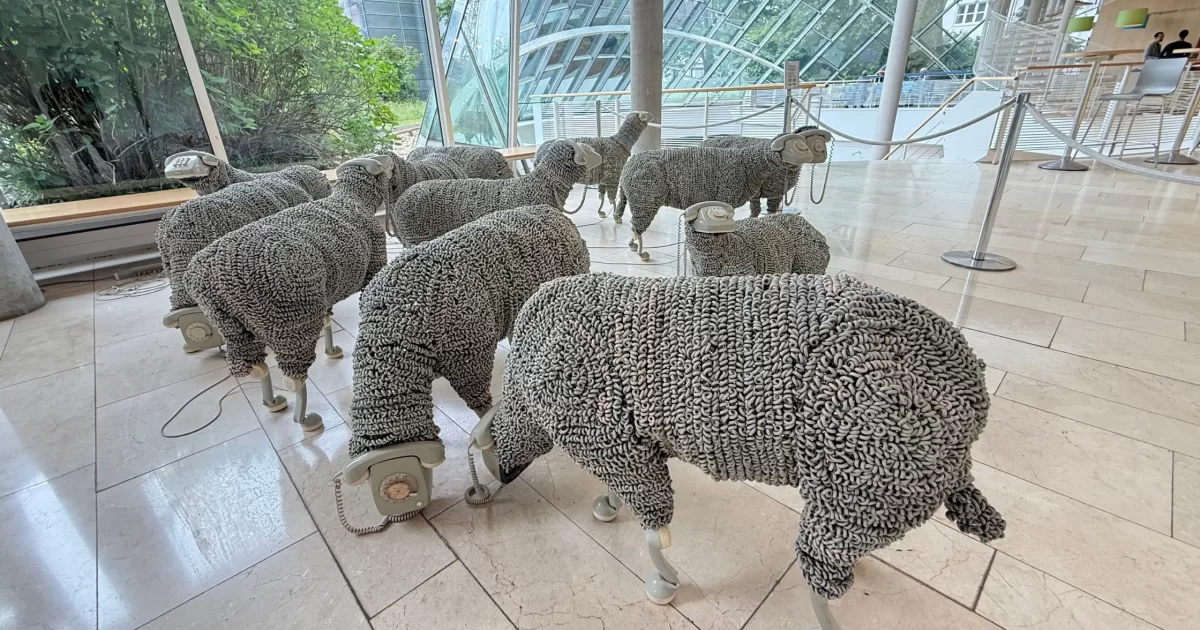
After two days of conversations about AI, content, and the future of communication systems, walking that history was a useful kind of grounding.
What I Am Taking Home
The most useful conferences are the ones that change how you talk about your own work afterward.
CMS Summit 26 confirmed three things.
The first is that the operational layer surrounding the CMS platform is a real, recognised, and underserved problem space. Every speaker described it. The community even named operations as a topic they wanted more depth on during the closing reflection. The category exists. It just does not have a clean name yet.
This is the work Digiteins has been doing since the beginning. We call it Enterprise Content Operations. What Frankfurt confirmed is that the demand for it is no longer a hypothesis. Senior practitioners across enterprises, agencies, and vendors are all describing it back to each other.
The second is that the people doing this work want each other. Maarten Fokkelman runs a similar practice in the Netherlands. Chad Solomonson is having parallel conversations inside North American agencies. Kate Kenyon is building this function inside one of the world’s largest banks. The geographies are different. The vocabulary is different. The work is the same. We were all there for some version of the same reason, and finding each other was the actual point of the conference.
The third is that showing up matters. Five days of overlapping events, pre-event lunch, jetlag dinner, two days of sessions, dinner between, and post-event time, is a different kind of community access than any digital channel can replicate. The relationships built in that room will outlast the slides.
I flew six thousand kilometres, navigated a Schengen visa application against the backdrop of Middle East flight disruptions, and finalised hotels three days before departure, to find out that my corner of this industry is not as small as I thought.
That is worth the trip.
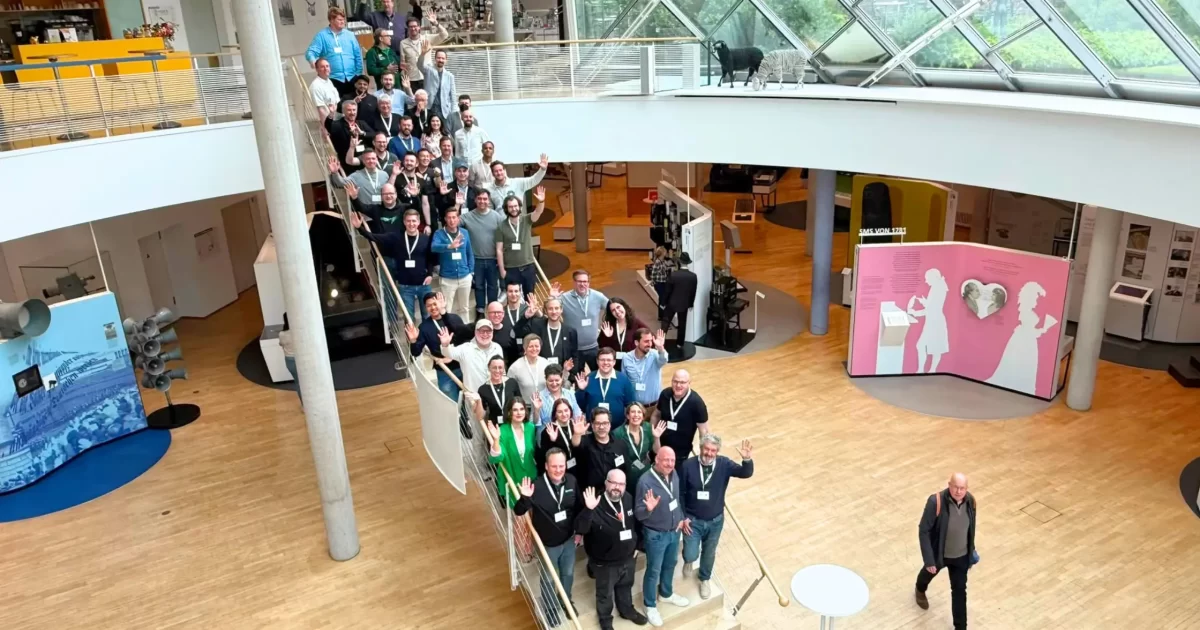
I will be back in May 2027.
This is work we do every day. Learn more about Enterprise Content Operations at Digiteins, or get in touch.
